Climate-tech startups must connect environmental impact with commercial viability. Investors want to know whether the solution reduces emissions, saves energy, lowers costs, reduces waste, or helps businesses meet sustainability requirements. Founders should explain the technology, target market, implementation cost, and expected timeline for adoption. Useful evidence may include pilot projects, energy savings, waste reduction, carbon impact, customer contracts, or partnerships with industries, governments, and research institutions. A strong climate-tech pitch should present measurable environmental results alongside a realistic revenue model. Founders must also explain how the solution can scale and whether regulations, infrastructure, or manufacturing requirements may affect growth. Investors often look for both impact and financial return, so the business case must be as clear as the environmental benefit. The startup should show that sustainability, customer value, and long-term growth can support each other without depending entirely on grants, subsidies, or temporary policy incentives. Impact measurement strengthens investor confidence.
What Makes a Climate-Tech Startup Fundable?
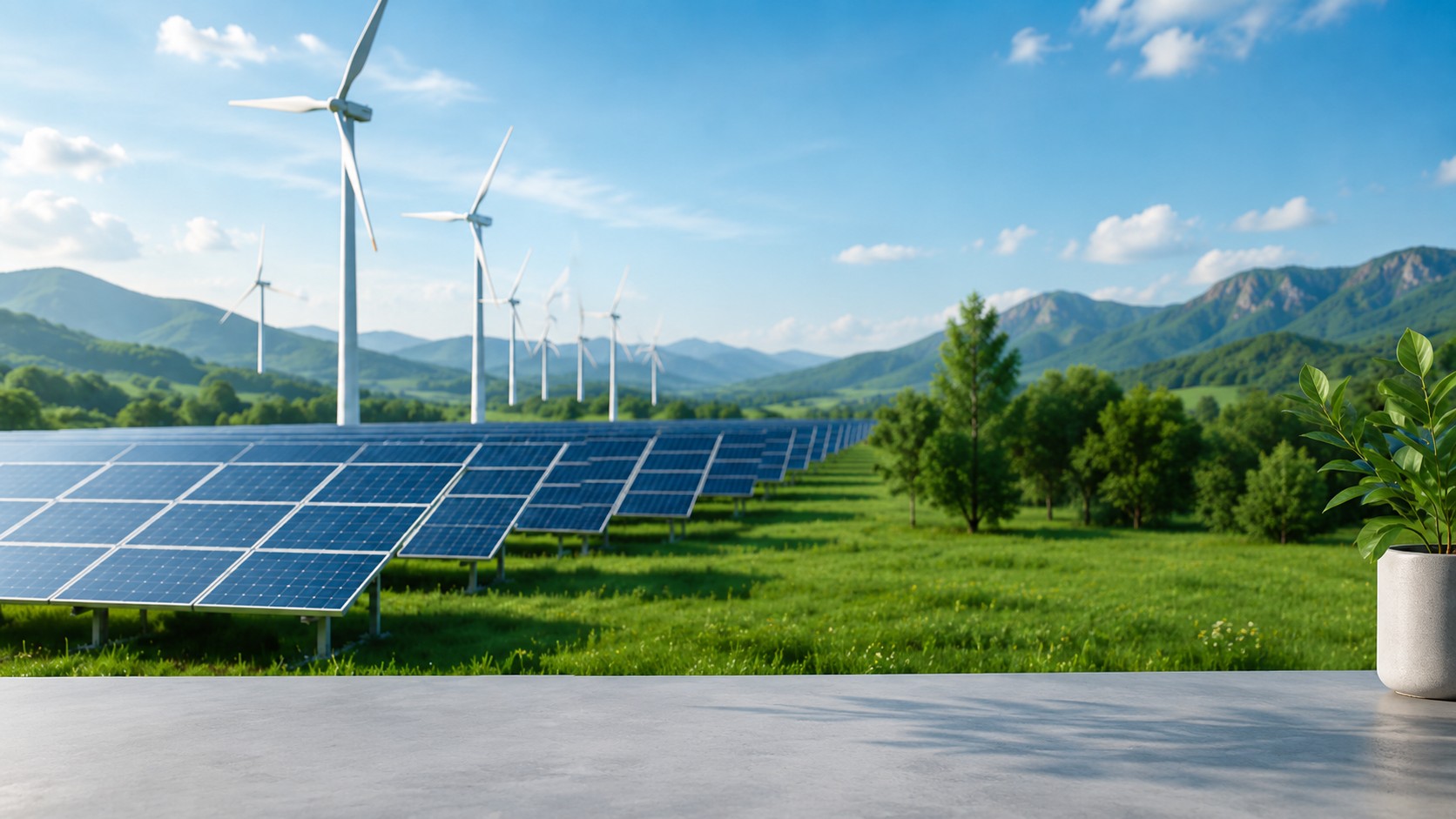
This blog explains how climate-tech startups can attract investors by connecting environmental impact with commercial viability. It covers measurable results such as energy savings, emission reduction, resource efficiency, pilot projects, partnerships, and a realistic revenue model.
335 people saw this